Case studiesAgriculture and IoT

DrFarm: farm sensor data with offline synchronization

Coffee farms in Bahia needed field and weather readings to reach the people making irrigation and treatment decisions. Paulo Cardoso worked on DrFarm’s IoT ingestion and synchronization, including periods without an internet connection.

Business
DrFarm
Sector
Agriculture and IoT
Scope
Sensor ingestion and offline synchronization
Contributor
Paulo Cardoso
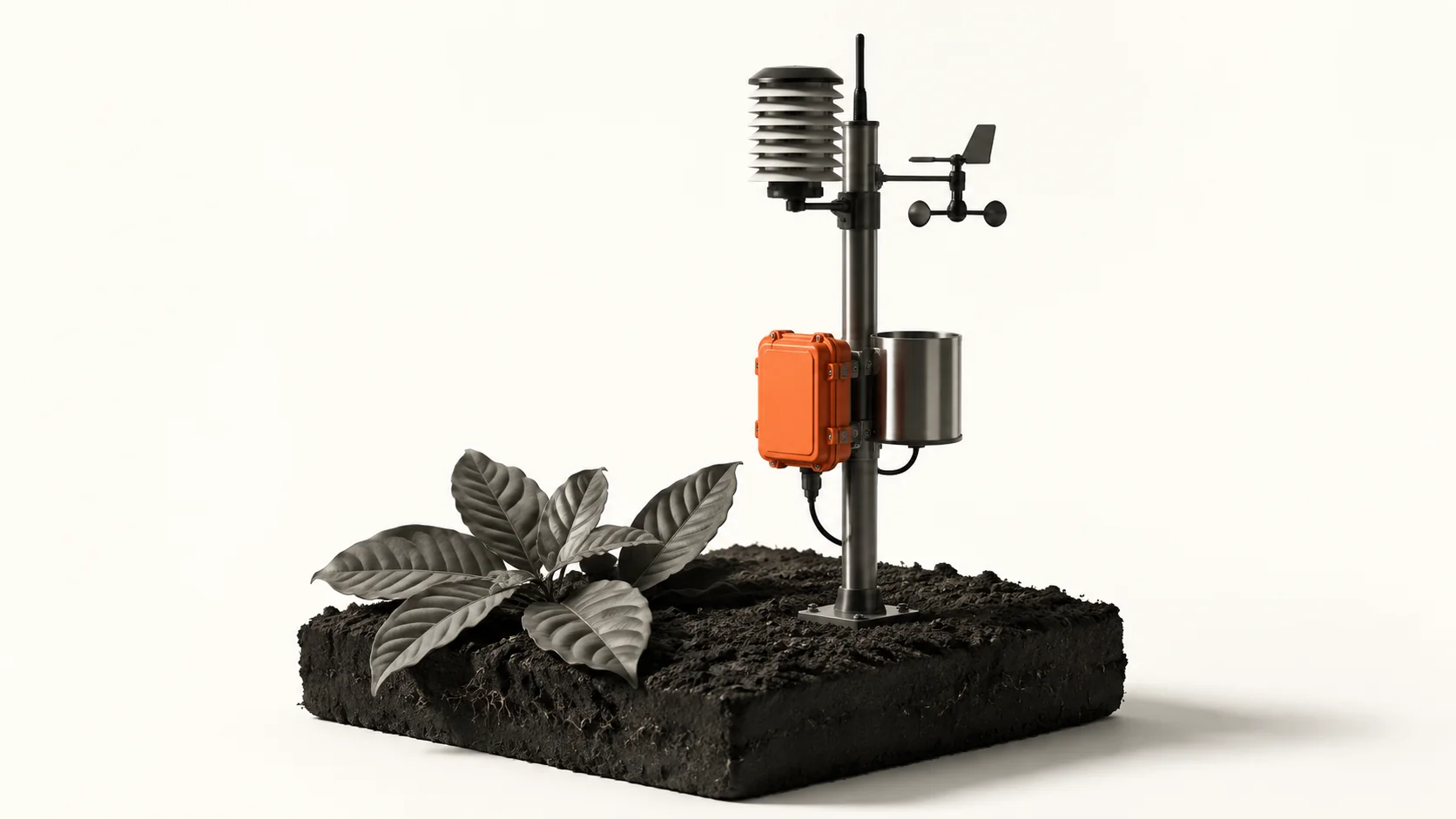
Editorial illustration: a field-sensor mast on soil with an orange sensor housing
AI-generated editorial illustration of the project’s domain.

A farm’s data collection could not depend on continuous internet.

Field and weather readings had traveled on paper. Managers needed to compare rainfall, soil and sector information when making irrigation and treatment decisions, rather than reconstructing the conditions afterward.

Many sensor locations lacked direct internet access. Connectivity was an architectural constraint, so collecting and storing readings locally had to be part of the normal workflow.
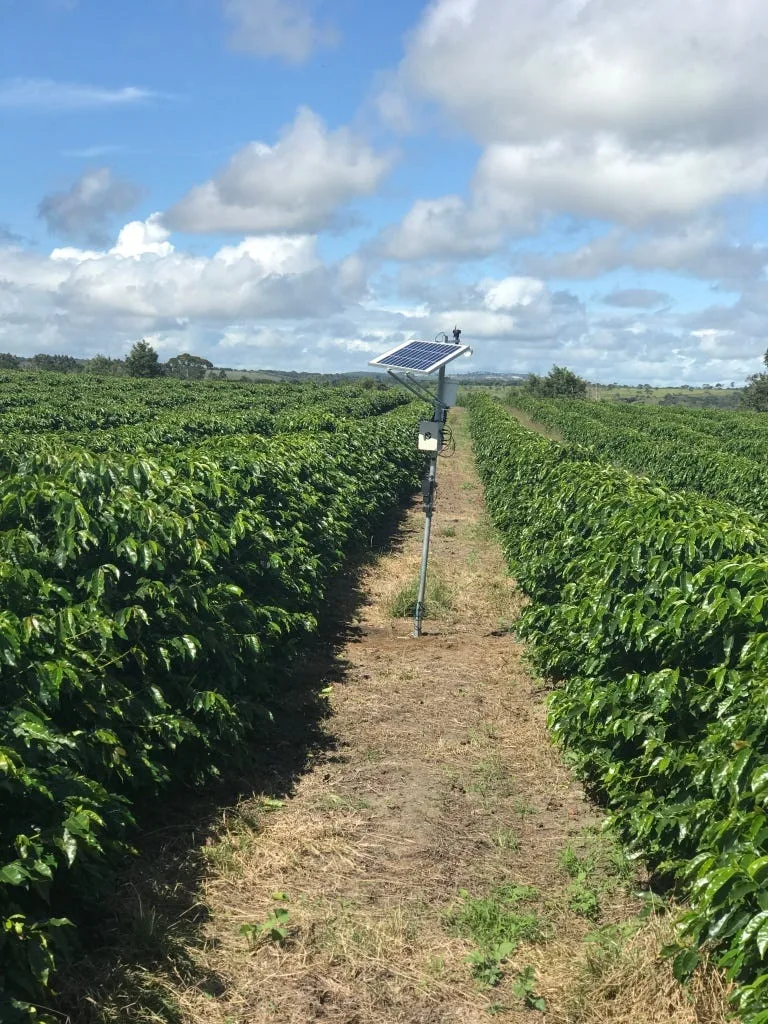
Relay readings locally, then synchronize through a gateway.

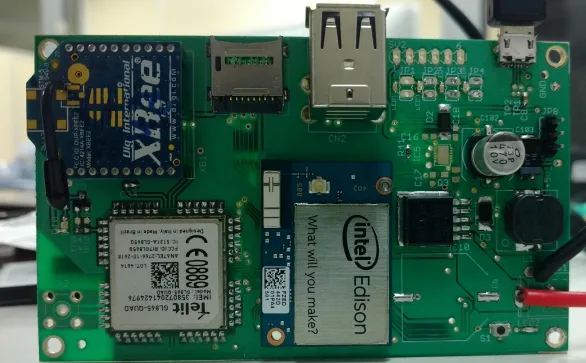
Sensor towers formed a local mesh and relayed readings to a gateway with internet access. The gateway synchronized with Node.js ingestion APIs on AWS. Inputs included temperature, rainfall, humidity, wind and soil readings.

Devices continued collecting data while disconnected. When connectivity returned, timestamp-based deduplication and merging handled late arrivals, allowing the cloud stream to incorporate the locally stored information.

What the workflow includes

  • Collect and store readings while disconnected.
  • Relay sensor information through a local mesh network.
  • Synchronize the gateway with Node.js APIs on AWS.
  • Merge late readings and identify duplicates by timestamp.

Project details

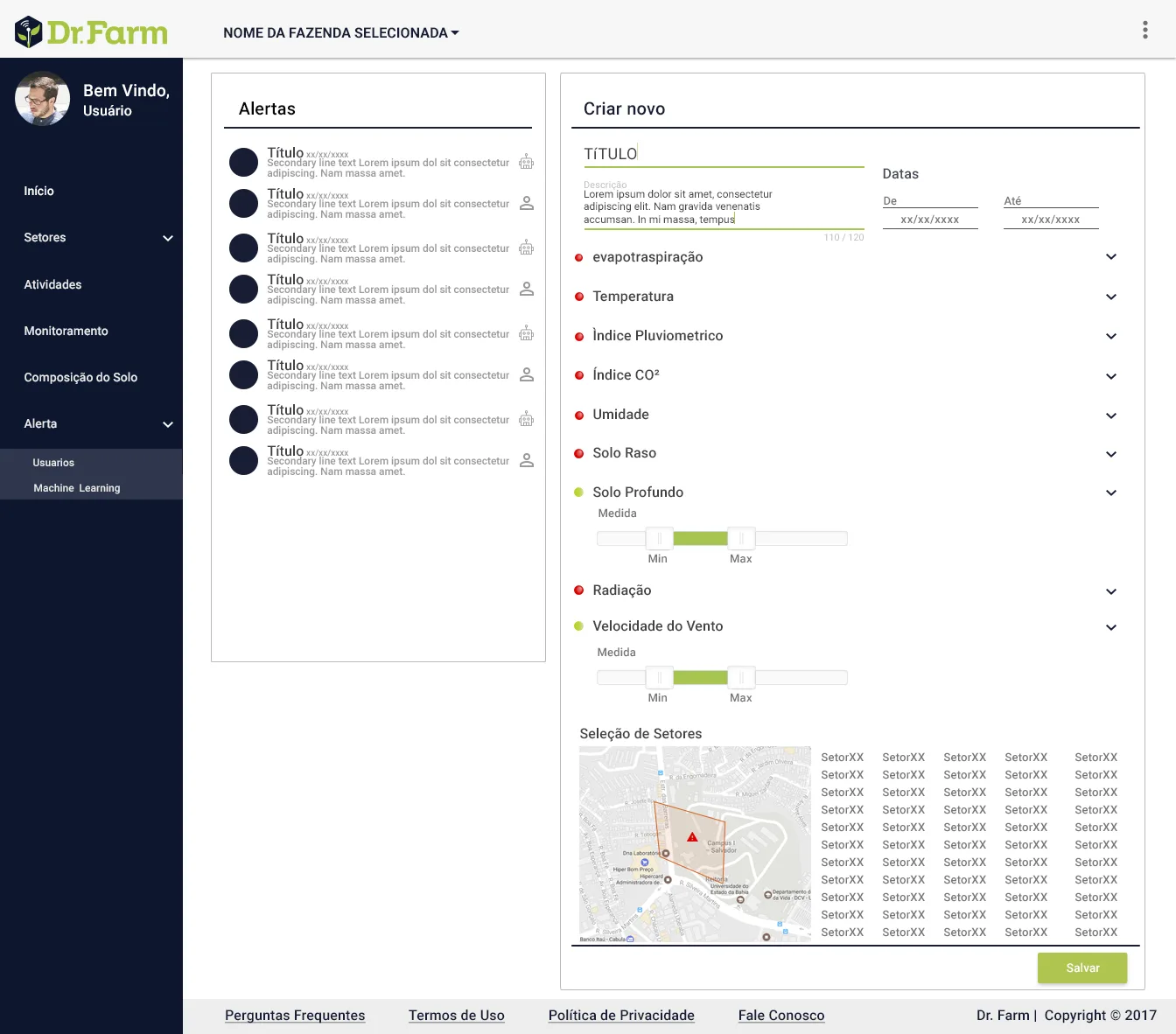
Project materials showing the workflows and interfaces described in this case.

Field readings available in a connected operating workflow.

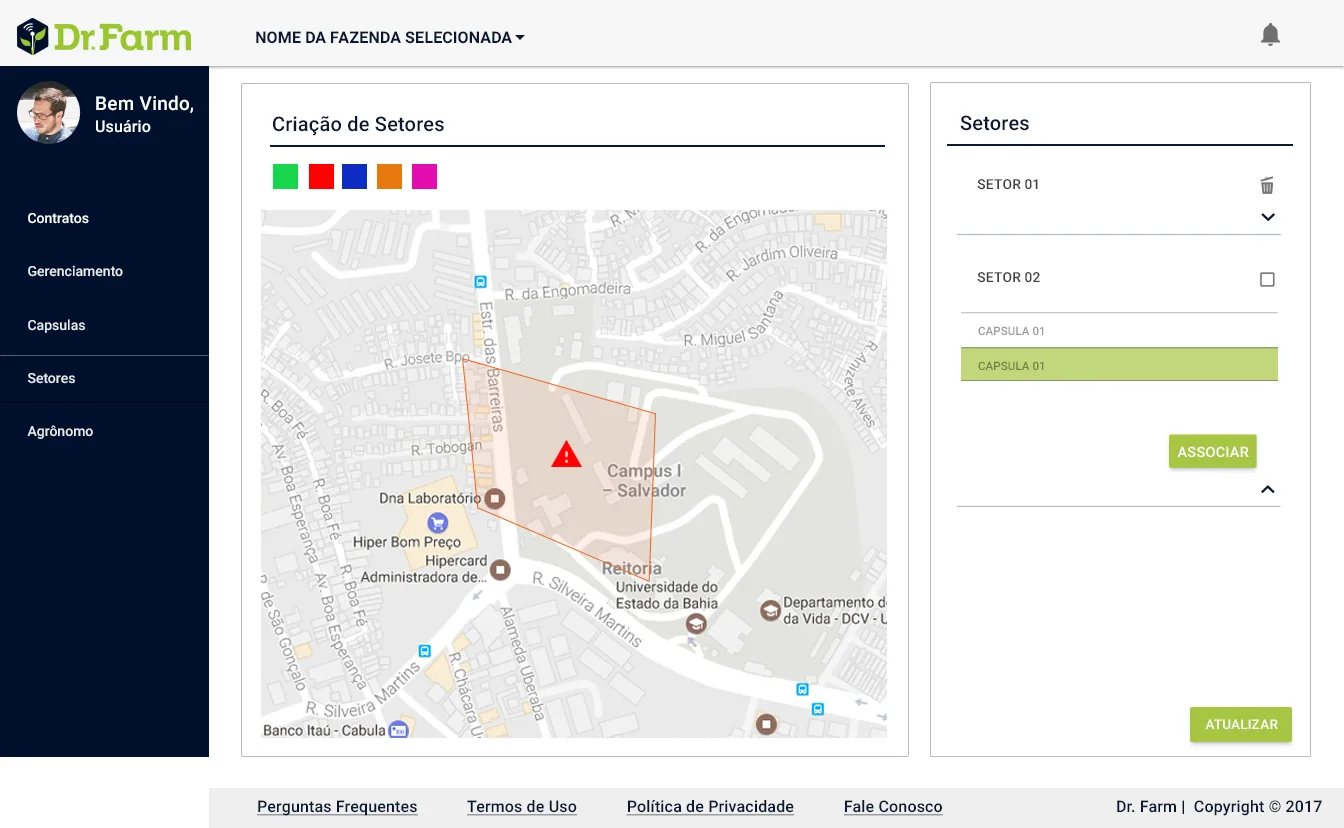
The platform connected collection in the field to the information available to the farm owner. Managers could compare rain, soil and sector readings in one workflow, with synchronization designed around intermittent connectivity.

What this means for the technology owner.

The system’s owner needs to understand the devices, gateway and cloud ingestion together. A cloud dashboard alone cannot explain a missing reading. The useful operating record includes storage during an outage, timestamp handling, synchronization state and the route from a sensor to a decision.

Tech Team: ongoing technology responsibility →

IoTMesh networkNode.jsAWSOffline syncTimestamp deduplication

Project contribution: Paulo Cardoso. The scope described above identifies the work behind this case.

Editorial review: Ego Eimi · Updated September 6, 2026 · About the team

Your technology

Start with the business

Your business depends on it.

Tell us which system matters, what has changed and who controls it. We will define a reviewable next step. Read Foundation and the commitments and evidence.