Case studiesGlass manufacturing

Glass manufacturing: one configuration from quote to production

An insulating and architectural glass manufacturer needed its product rules to survive every handoff from quotation to production. Costel developed the platform from a desktop application into a web system, dealer workflow and later rebuild.

Business
Anonymized glass manufacturer
Sector
Glass manufacturing
Scope
Configuration, quotation and production
Contributor
Costel
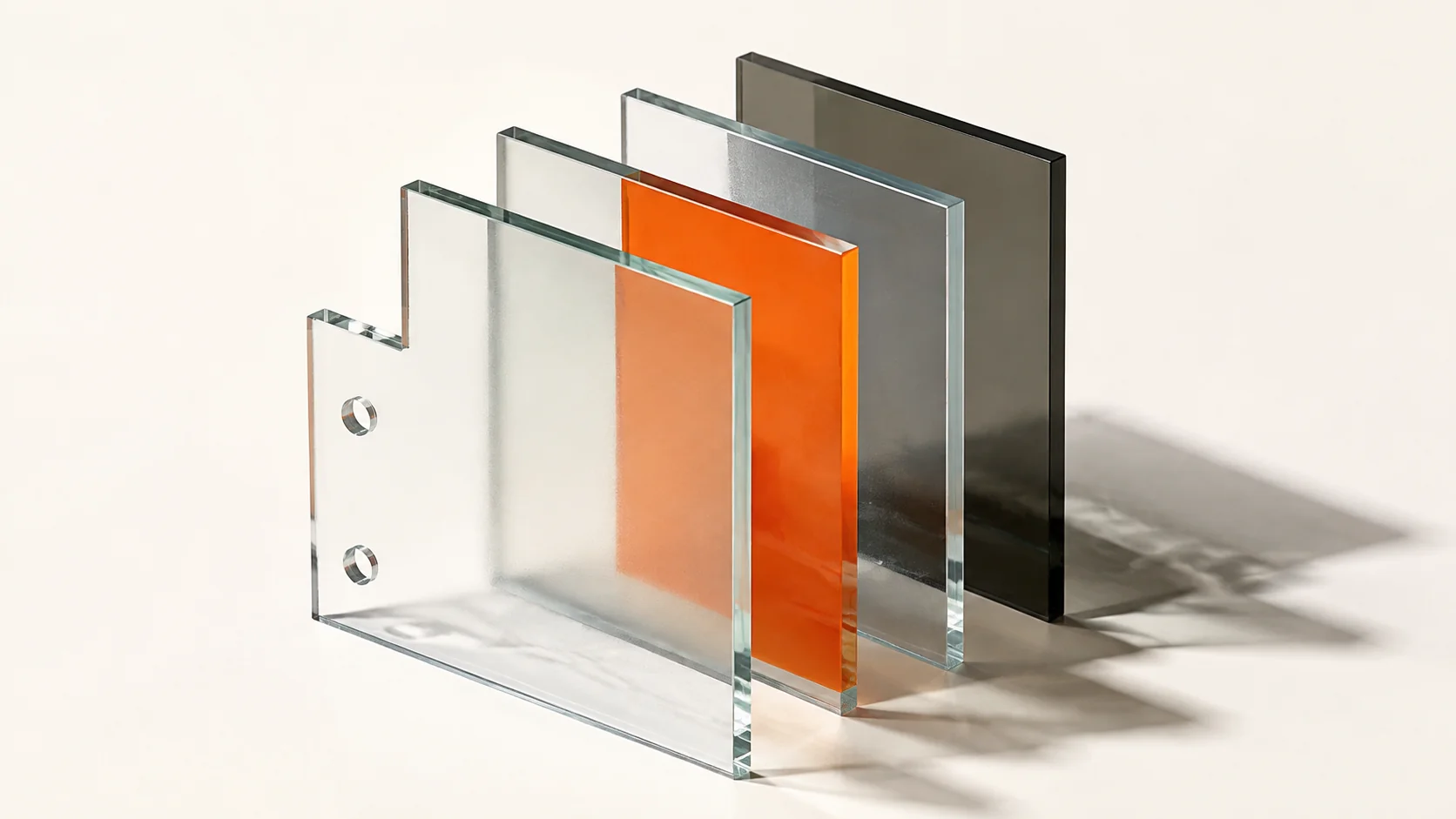
Editorial illustration: precision-cut glass panes with a single orange layer
AI-generated editorial illustration of the project’s domain.

Every quotation depended on interacting product rules.

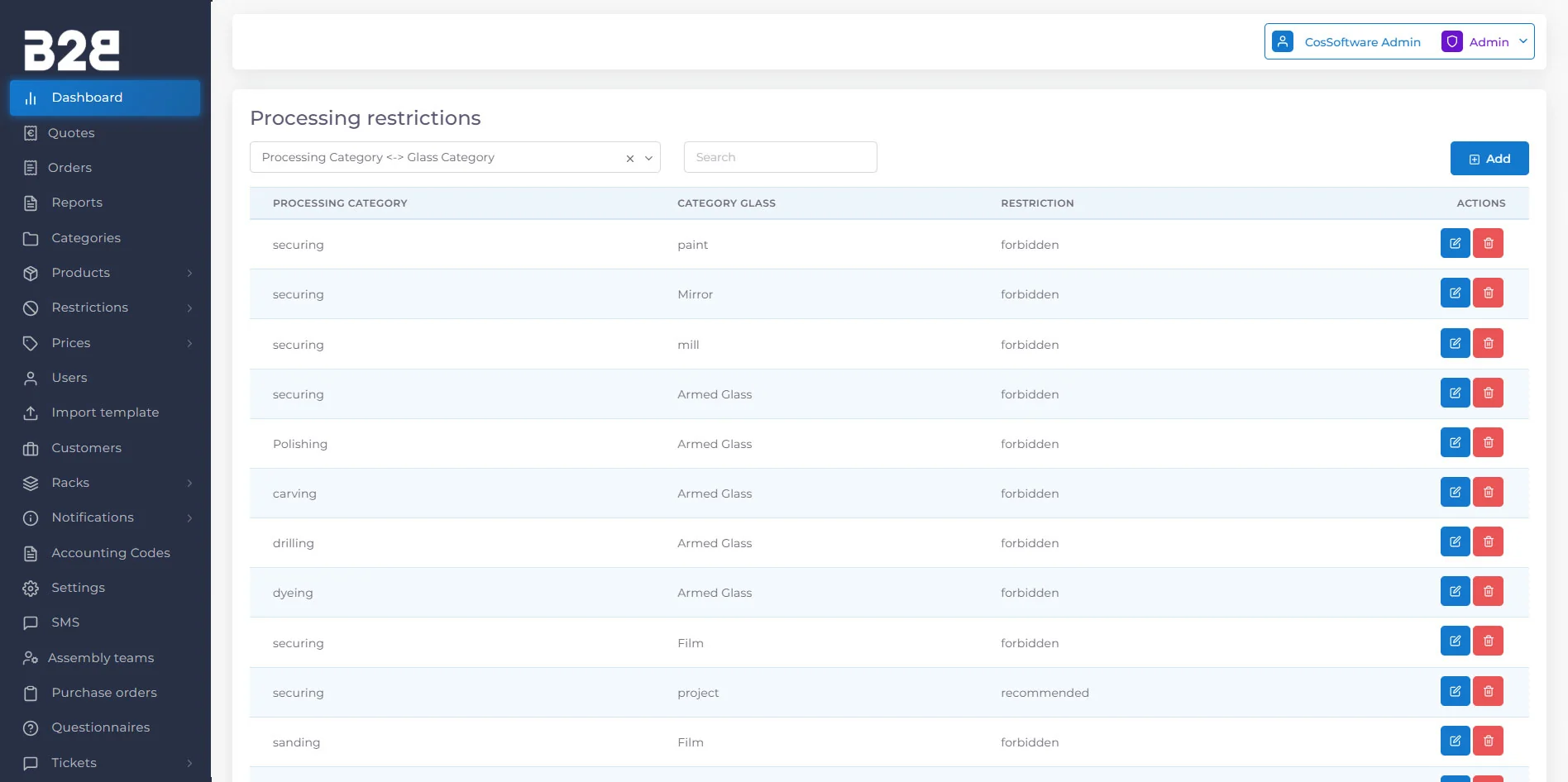
Architectural glass pricing depends on far more than width and height: glass types, treatments, grinding, drilling, cut-outs, structural parts, accessories, dimensional limits and customer-specific prices all interact.

Some choices make later options mandatory; others make them impossible. Before those rules lived in software, every quote depended on specialist knowledge and every manual selection created another chance for error.
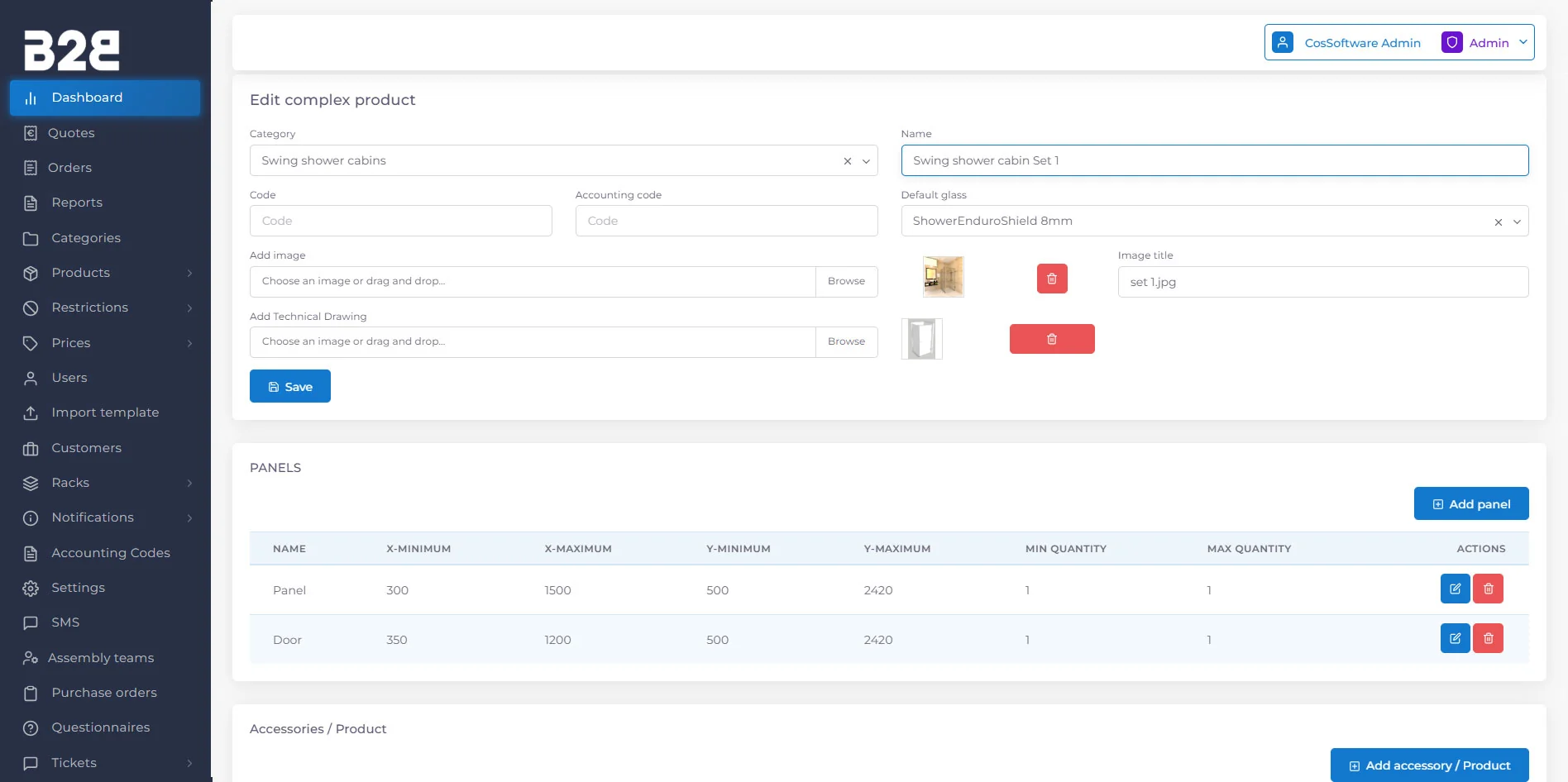
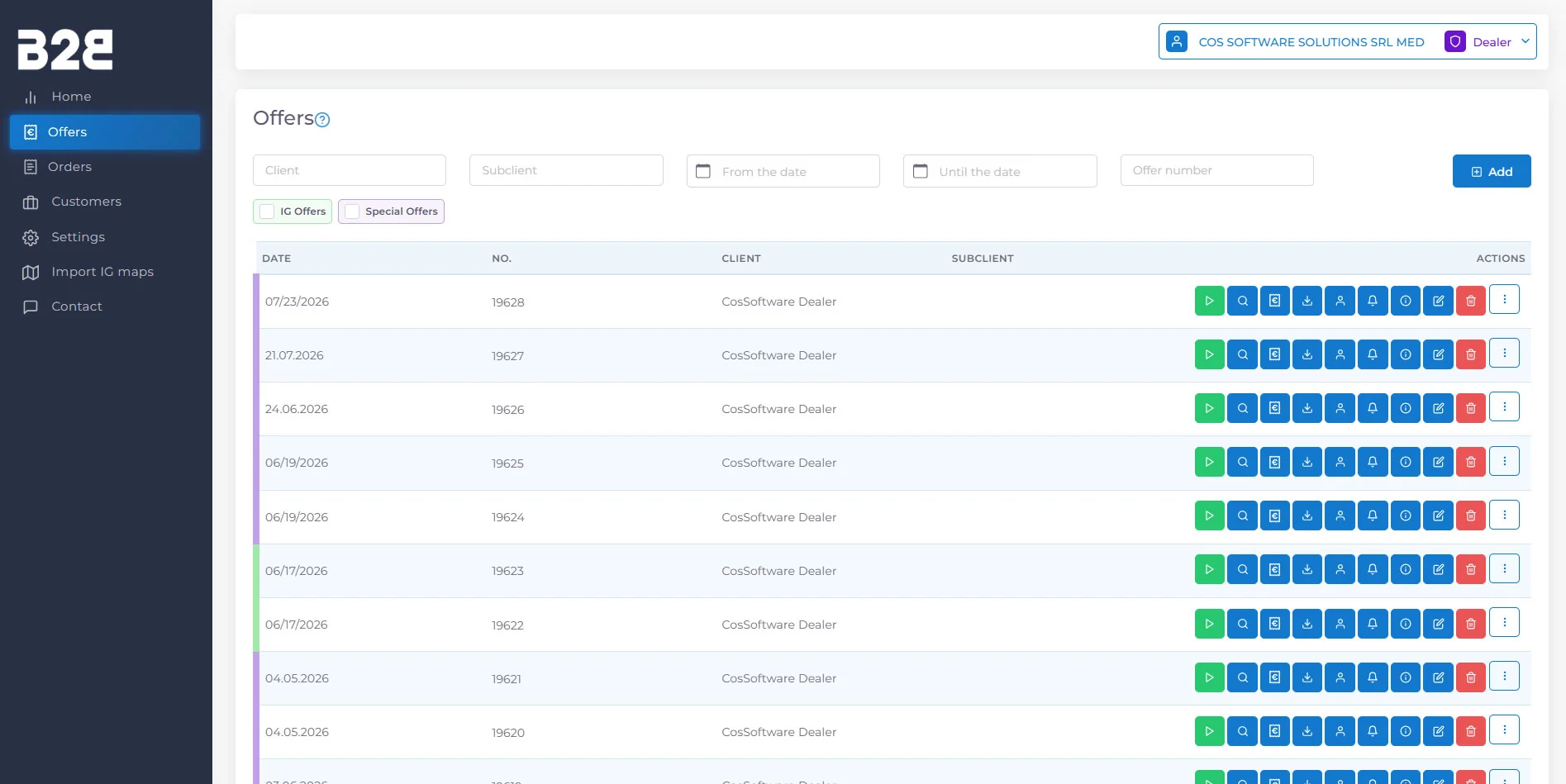
Carry a validated configuration into orders and machinery.

The first Visual Basic application centralized insulating-glass orders on one computer. Three years later, a PHP and MySQL web platform made the same information available across production, administration, sales and management.

When the company expanded into architectural glass, Costel added a rule-driven configurator. A user enters dimensions, and the platform filters compatible materials, operations and accessories while applying processing costs, discounts and negotiated prices.

What the workflow includes

  • Approved quotes convert directly into production orders
  • PDF offers include prices, images and technical drawings
  • ERP, accounting, invoices and payments remain synchronized
  • LiSEC exports feed insulating-glass machinery
  • DXF output carries geometry, drilling and cutting into CNC workflows

Project details

Project materials showing the workflows and interfaces described in this case.

The platform changed while the manufacturing knowledge carried forward.

Dealers could prepare quotations and turn accepted offers into production orders without the factory entering the product configuration again. Prices, technical drawings and manufacturing outputs came from the same set of rules.

The project history spans a Visual Basic application, a PHP and MySQL web platform and a 2026 Laravel and Vue.js rebuild. The continuity was in the configuration and business workflow carried through those changes.

What this means for the technology owner.

For an owner, the valuable asset includes the product rules embedded in the system. A rebuild or acquisition handover should explain how those rules connect pricing, accounting and machinery. The next team needs that knowledge to make changes without forcing the factory to reconstruct it.

The first 100 days of owning business software →

Visual Basic 6PHPLaravelVue.jsMySQLERPDXFCNC

Project contribution: Costel. The scope described above identifies the work behind this case.

Editorial review: Ego Eimi · Updated September 6, 2026 · About the team

Your technology

Start with the business

Your business depends on it.

Tell us which system matters, what has changed and who controls it. We will define a reviewable next step. Read Foundation and the commitments and evidence.