


Case studiesClinical training software

VR clinical training: connecting instructors to a shared simulation

A clinical-training project needed an instructor and several trainees to share the same scenario. Muhammad built the connected web and VR platform, with live controls and video that let an instructor guide the session.

Business
Anonymized workforce-training client
Sector
Clinical training software
Scope
Instructor controls and shared VR simulation
Contributor
Muhammad
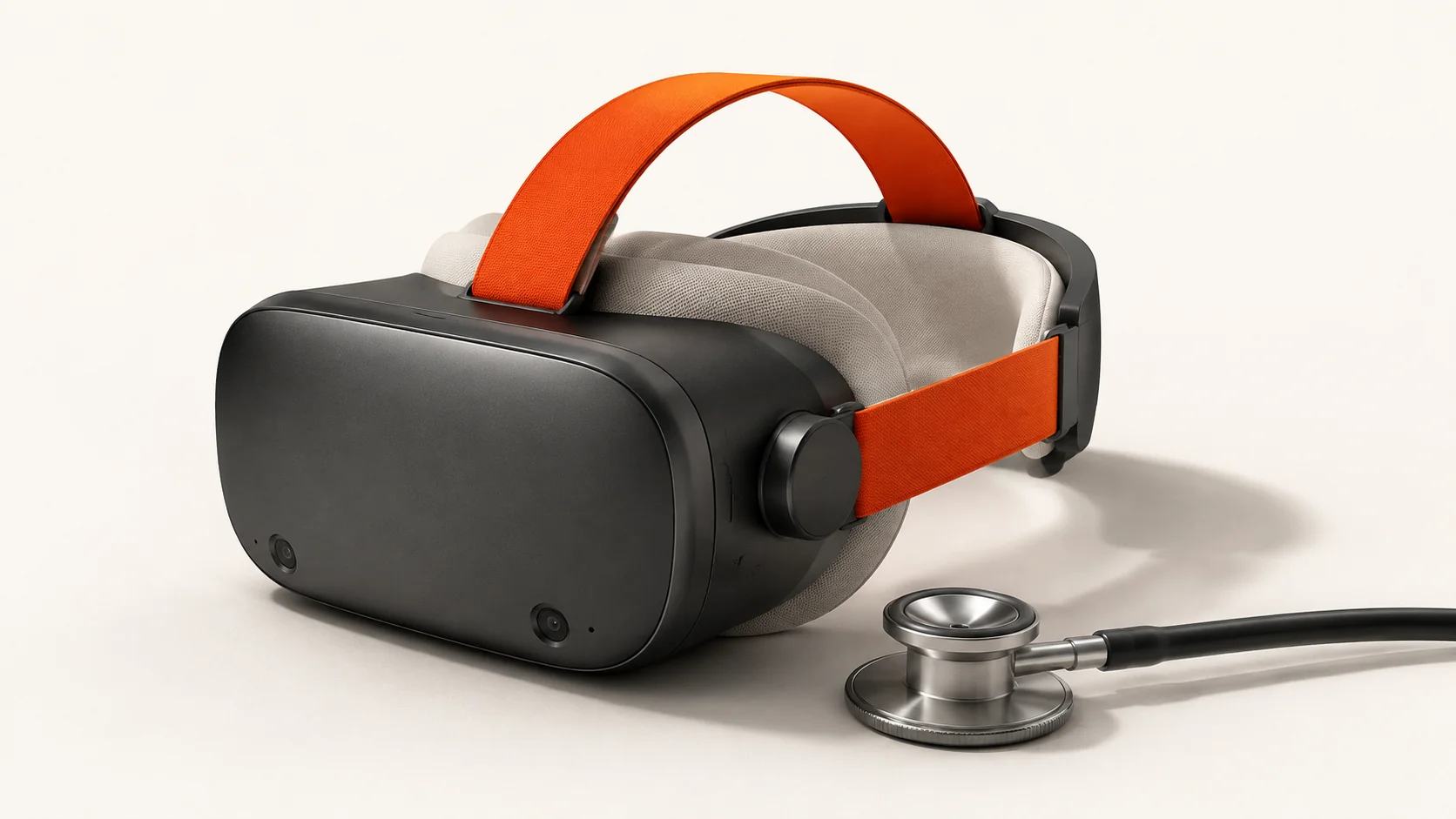
Editorial illustration: a VR headset with an orange strap and stethoscope chestpiece
AI-generated editorial illustration of the project’s domain.

Team practice needed a repeatable scenario and an active instructor.

Clinical team training includes coordination and communication as well as a procedure. A recording cannot give several trainees an interactive scenario with an instructor changing the situation as they respond.

The platform therefore needed two connected experiences: a web environment for preparing and directing training, and a shared VR environment in which trainees worked together.
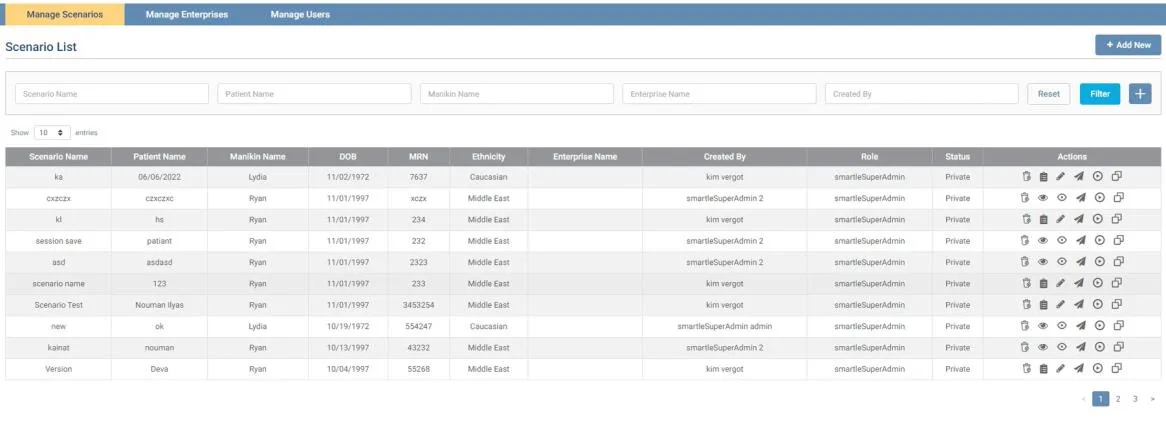
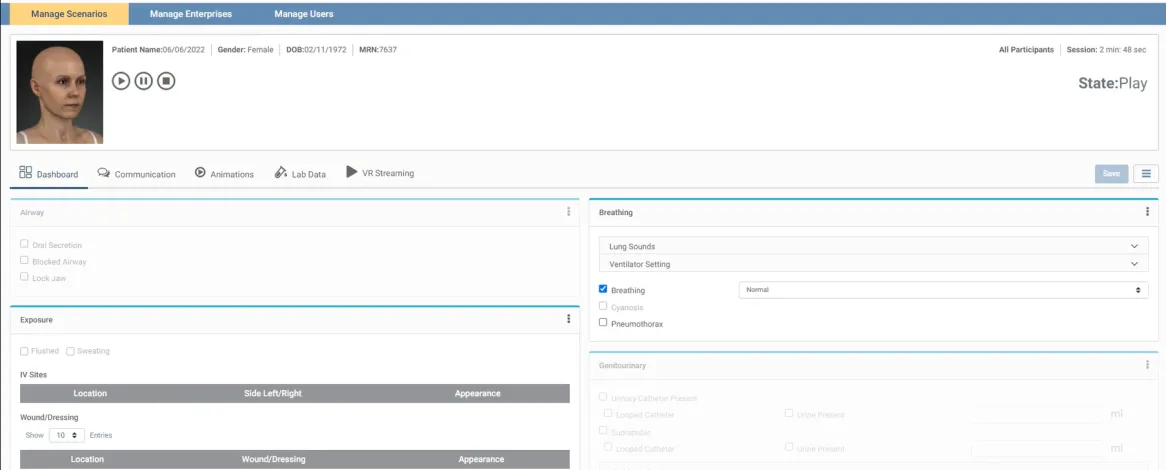
Connect the instructor’s web panel to the shared VR room.

The instructor panel supported scenario authoring and live changes to the simulated patient’s state and vital signs. Video streamed from headsets back to the panel so an instructor could observe individual trainees.

The multiplayer VR emergency room supported procedures and team interaction. Speech recognition and natural-language processing enabled conversation with the simulated patient as part of the scenario.

What the workflow includes

  • Author training scenarios in a web panel.
  • Change simulated patient state during a session.
  • Observe trainees through headset video streams.
  • Run a shared VR room with voice interaction.

Project details

Project materials showing the workflows and interfaces described in this case.

A scenario could be authored, run and observed as one session.

The delivery joined scenario preparation, live instruction and shared simulation. It gave the instructor a route to direct and observe the exercise while trainees participated in the same virtual setting.

What this means for the technology owner.

A training platform’s handover should include supported hardware, session networking, scenario configuration and instructor controls. Clinical content and educational validation remain separate from software delivery. A technology owner must know who maintains each part before changing the system.

The technology ownership checklist →

VRMultiplayerSpeech recognitionNLPWeb LMSVideo streaming

Project contribution: Muhammad. The scope described above identifies the work behind this case.

Editorial review: Ego Eimi · Updated September 6, 2026 · About the team

Your technology

Start with the business

Your business depends on it.

Tell us which system matters, what has changed and who controls it. We will define a reviewable next step. Read Foundation and the commitments and evidence.